






The Changing Legal Status of Marijuana in Florida
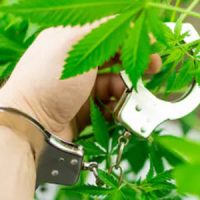
Marijuana is a lightning rod in Florida and elsewhere. To many people, marijuana is a safe alternative to addictive pain pills and the resulting overdoses that kill tens of thousands of Americans every year. To many others, marijuana is a mind-altering drug and the first step on the road to more serious drug use and addiction issues. Lawmakers in the Sunshine State, as well as lawmakers in cities and counties, walk the line between these two extremes.
A Tampa criminal defense lawyer not only protects individuals from the harsh direct and indirect consequences of a marijuana possession conviction. Proactive lawyers provide testimony at hearings and other valuable information for decisionmakers to consider when they set or review marijuana laws. This one-two punch protects not only individuals but also society as a whole. Responsible drug use, whether it’s marijuana or anything else, is a cornerstone of a fair society, which is what everyone wants.
Legal Status and Medical Marijuana
Many states have legalized recreational marijuana. Or, more properly, many states have partially de-criminalized marijuana possession. Possession is still illegal in some cases. Public consumption is still illegal in almost all cases.
On a related note, although prosecutions are rare, all marijuana possession is illegal under federal law. That’s the main reason most marijuana dispensaries are cash-only businesses. Most banks won’t touch marijuana with a ten-foot pole.
Although recreational marijuana use is still illegal, in 2016, voters approved a constitutional amendment that created a loophole for medical marijuana use. But the loophole is very small.
Patients (or their caregivers) must have a state-issued medical marijuana ID and may only purchase marijuana from licensed dispensaries. Additionally, regulations further limit the medical program. These limits include restrictions on smokable flowers or THC amounts over defined time periods.
Florida Non-Medical and Recreational Possession Laws
For non-medical users, marijuana is a controlled substance (Schedule I under state law).
Legal implications depend mostly on the amount of cannabis (or whether it’s a concentrate), and sometimes location (e.g., near a school, park, or daycare).
Possession of up to 20 grams (non-medical) is a first-degree misdemeanor (up to 1 year in jail and/or a $1,000 fine). For context purposes, one joint usually contains about a half-gram of Possession of more than 20 grams but less than 25 pounds is a third-degree felony (up to 5 years in prison and/or a $5,000 fine).
Depending on weight and amount, possession penalties for larger amounts range from years to decades in prison, and fines can be much larger. Possible penalties include enhancements for mass possession/trafficking.
Possession of drug paraphernalia used with cannabis is itself a crime (often a misdemeanor) under Florida law.
Collateral consequences of marijuana possession convictions include drivers’ license suspension and difficulty obtaining certain jobs, state licenses, housing, or admission to educational institutions. The resulting criminal conviction may also affect immigration status (for non-citizens), financial aid, or future legal outcomes.
Local Variations & Enforcement Discretion
For a Tampa criminal defense lawyer, possession laws are complex. Usually for amounts under twenty grams, some counties or municipalities in Florida have decriminalized marijuana. Others limit such drug possession matters to civil-citation programs.
Tampa is one such area. Other cities and counties include Miami Beach (2015), Hallandale Beach (2015), Key West (2015), West Palm Beach (2015), Volusia County (2016), Osceola County (2016), Alachua County (2016), Port Richey (2016), Cocoa Beach (2019), and Sarasota (2019).
Note that, even in these jurisdictions, local laws vary. An arrest for marijuana possession in a protected area reduces risk for a minor possession case, but that is not a guarantee.
Count on a Hard-Hitting Hillsborough County Attorney
A criminal charge is not the same thing as a criminal conviction. For a confidential consultation with an experienced criminal defense lawyer in Tampa, contact the OA Law Firm. We routinely handle matters throughout the Sunshine State.
Source:
cdc.gov/overdose-prevention/about/understanding-the-opioid-overdose-epidemic.html
