
Author Archives: Jay Butchko

Common Defenses in Florida Drug Trafficking Cases
Drug trafficking is a simple, and often seemingly harmless, step up from drug possession. Therefore, many Floridians are drug traffickers and don’t know it. Some people, such as messengers or mules, are caught on the edges of large, multistate, or multinational drug trafficking operations. Others give leftover pain pills to friends or co-workers. Others… Read More »

Lawmakers Enhance Domestic Violence Punishments
Florida’s new domestic violence law, which took effect on July 1, 2026, increases criminal penalties for repeat domestic violence offenders and expands survivor protections. Specifically, House Bill 277, which legislators approved unanimously, makes it a felony to violate a domestic violence restraining order for the second time. The measure also creates a statewide domestic… Read More »
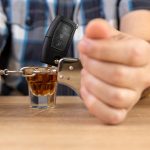
What Happens When Soldiers Are Arrested Off-Base for DUI?
Most likely, state law and procedures apply in these situations. However, the defendant could face additional punishment under the Code of Military Justice. Contrary to popular myth, the defendant usually doesn’t have a duty to report the incident to a commanding officer. So, there’s a good chance that the defendant could escape any military… Read More »
Breaking Down Chemical Test Defenses in DUI Cases
In Florida, breath and blood test evidence is often conclusive proof of intoxication. Often, but certainly not always. That’s primarily because the Sunshine State has a per se law. Defendants with a BAC above the legal threshold are intoxicated as a matter of law. But the per se law only applies if the breath… Read More »

Manhunt Expands in Niceville Murder Case
Authorities have arrested five of six suspects in the slaying of a 43-year-old man in June 2026. In hopes of apprehending the sixth suspect, they expanded the search to nearby states and increased the bounty. The Florida Sheriffs’ Association Criminal Apprehension Assistance Program partnered with the Walton County Sheriff’s Office and Emerald Coast Crime… Read More »

Top Five Search Warrant Requirements in Florida
A search warrant is a legal authorization that allows law enforcement officers to search a person, home, vehicle, or other property for evidence of a crime. In Florida, search warrants must comply with the Fourth Amendment as well as Florida law. If officers fail to meet the required legal standards, evidence obtained during the… Read More »

Does Refusing a Breathalyzer Count as a DUI?
Yes, refusing a Breathalyzer test counts as a DUI, of sorts, in Florida. The Sunshine State has a refusal-to-submit law based on the state’s implied consent doctrine. Implied consent to provide a chemical sample also serves as the basis for administrative license revocation in Florida. Even if the defendant “beats” the DUI, a court… Read More »

What to Expect While You’re Out on Bond
The good news is you’re out of that crowded, smelly jail, maybe forever. The bad news is that pretrial release includes conditions you probably know nothing about. Florida has one of the highest percentages of unsentenced inmates in the country. So, getting out of jail is relatively easy, at least in most cases. As… Read More »

Federal Crimes and Jail Release: A Quick Guide
Immediate jail release is a big deal in federal cases. But jail authorities don’t hand defendants get-out-of-jail-free cards. Federal cases use different jail release rules than state cases. These different rules often significantly limit pretrial release in these matters. The Eighth Amendment guarantees reasonable bail in federal criminal cases. However, “reasonable” means different things… Read More »

What’s Better: A Plea Bargain or a Trial?
According to an old saying, a bird in the hand is worth two in the bush. Like most aphorisms, this one is usually true, but certainly not always true. In this context, the bird in the hand is a favorable plea bargain agreement, and two in the bush is a more favorable result at… Read More »